The Shift from Keyword Queries to Generative Answer Engines.
Search behavior has fundamentally shifted. Users no longer just type 2-word Google queries and click blue links; they ask complex conversational questions in ChatGPT, Perplexity, and Gemini.
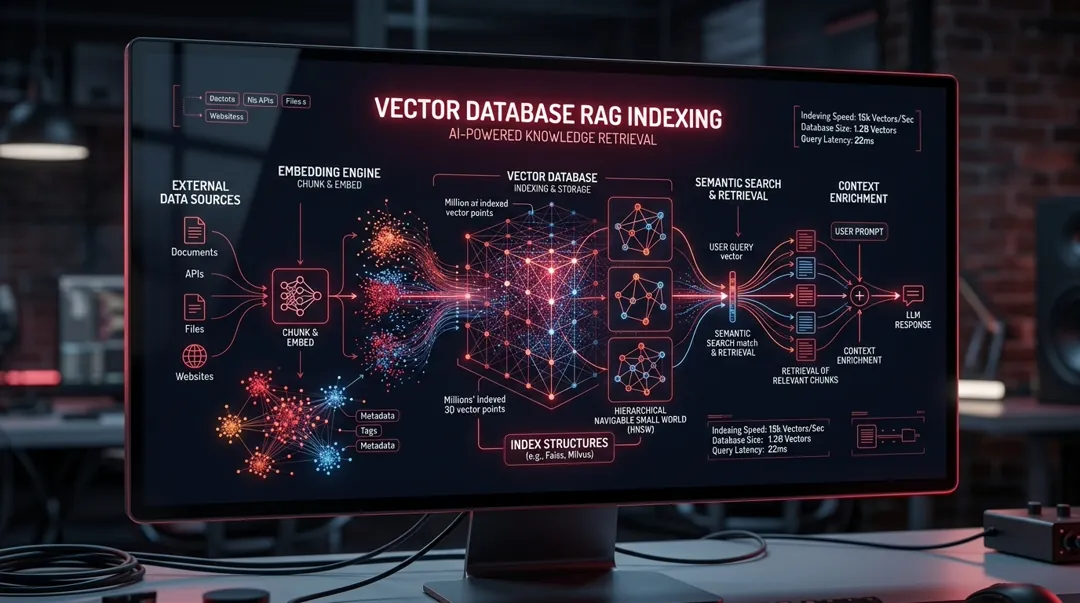
Generative Engine Optimization (GEO) requires structuring content into factual entity graphs, high-density JSON-LD schemas, and vector-friendly semantic text blocks that generative models cite as definitive authoritative sources.
Entity Authority & Structured Data Schemas.
Generative engines rely on knowledge graphs to synthesize answers. By implementing semantic Schema.org types (SoftwareApplication, TechArticle, Organization) and clear canonical entity attributes, search AI bots can parse your technical capabilities without hallucination.
We structure web application pages with clear hierarchical headings, explicit definition blocks, and authoritative citations, maximizing inclusion in LLM retrieval-augmented generation (RAG) contexts.
Technical Performance as an AI Indexing Metric.
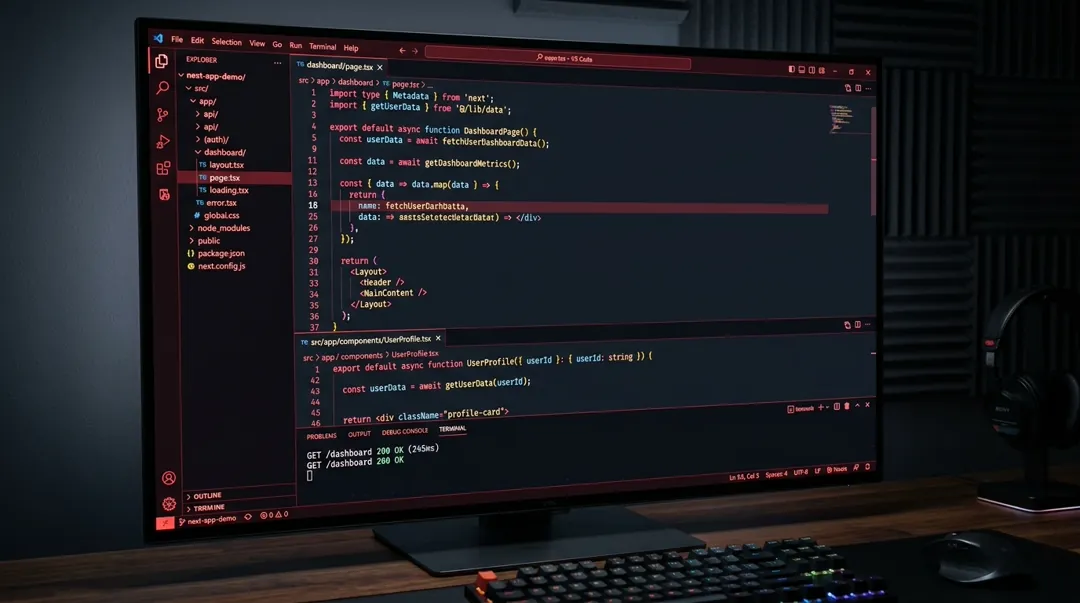
AI web crawlers prioritize low-latency, semantic HTML5 markup. Pages that render server-side in under 100ms with clear semantic tags ensure AI scrapers ingest complete page metadata efficiently.
Optimizing for AEO and GEO ensures your brand is indexed not only on traditional search engines but recommended directly in conversational AI search results.
Structure technical content with Schema.org JSON-LD entity data.
Format definitions in high-density, authoritative Q&A blocks.
Ensure sub-100ms server-side rendering for AI web scraper ingestion.